The Piltdown Man Hoax: How a Fake Fossil Fooled Science for 40 Years
In 1912 a skull from an English gravel pit was hailed as a missing link. In 1953 it was exposed as a forgery. How Piltdown Man fooled experts, and who did it.

In 1983, Stern announced it had found Hitler’s secret diaries. How a forger fooled editors and a famous historian, and how the fakes were exposed in days.
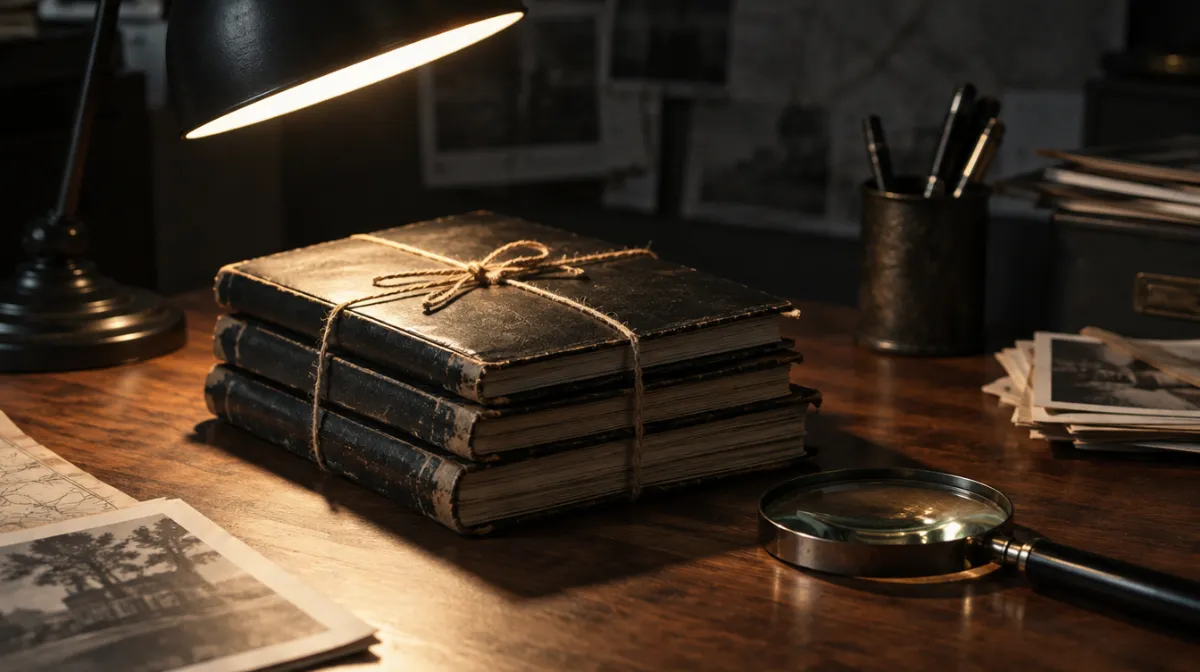
On April 25, 1983, the West German news magazine Stern held a press conference in Hamburg to announce one of the biggest scoops of the century: Adolf Hitler’s secret diaries, dozens of handwritten volumes that would rewrite the history of the Third Reich. Less than two weeks later, the German government declared them crude forgeries.
The story began with Gerd Heidemann, a Stern reporter fascinated by Nazi memorabilia. He was told the diaries had been recovered from a plane crash near Dresden in April 1945. That crash was real: a transport plane carrying material from Hitler’s bunker did go down. It gave the story a thread of plausibility.
The diaries’ true source was Konrad Kujau, a dealer in Nazi memorabilia and a skilled forger, who had been faking documents and artworks for years. Over about two years, he supplied 60 volumes to Heidemann, who passed them to Stern. The magazine paid about 9 million marks.
| Date | Event |
|---|---|
| 1981–1983 | Heidemann buys volumes from Kujau for Stern |
| April 1983 | Historian Hugh Trevor-Roper examines the diaries and backs their authenticity |
| April 1983 | The Sunday Times agrees to publish extracts in Britain |
| April 25, 1983 | Stern unveils the diaries; Trevor-Roper voices doubts at the press conference |
| May 6, 1983 | West German authorities announce the diaries are forgeries |
| 1985 | Kujau and Heidemann are convicted of fraud |
Secrecy was part of the problem. Stern kept the find tightly guarded, so few experts saw the diaries before publication. Handwriting comparisons were made against documents that, it later emerged, had also come from Kujau’s circle, so the fakes appeared to match.
Forensic tests by the West German Federal Archives and federal materials experts found that the paper contained a whitening agent, and the bindings and glue included materials not produced until after the war. The content was riddled with errors and had been largely copied from published sources, including a well-known collection of Hitler’s speeches. According to widely reported accounts, a metal monogram on one cover read “FH” rather than “AH.”
Kujau was sentenced to four and a half years in prison and Heidemann to nearly five; much of the money was never recovered. Senior Stern editors resigned, and the affair badly damaged the reputations of the magazine, The Sunday Times and Trevor-Roper, who had endorsed the diaries before changing his mind. Kujau later became a minor celebrity, selling “genuine Kujau fakes.”
The Hitler diaries became a lesson in how the rush for a scoop, secrecy and the desire to believe can override basic checks. It echoes earlier frauds such as the Piltdown Man, where experts saw what they hoped to see, and the far older Cardiff Giant.
About 9 million Deutsche Marks, a huge sum at the time. Much of it is believed to have been kept by Heidemann rather than passed to Kujau.
Yes: senior editors at Stern and, initially, historian Hugh Trevor-Roper. Other historians were skeptical from the start.
Yes. The forged volumes still exist and have been handed to Germany’s Federal Archives as a historical record of the fraud.

Every article is edited by a human and checked against our editorial policy. Spotted a mistake? Tell us.
In 1912 a skull from an English gravel pit was hailed as a missing link. In 1953 it was exposed as a forgery. How Piltdown Man fooled experts, and who did it.
In 1869, well diggers in New York found a 10-foot “petrified giant.” The story of the stone hoax that fooled crowds and sparked a feud with P.T. Barnum.
In 1985 Coca-Cola replaced its 99-year-old formula and faced a revolt. The story of New Coke: the Pepsi Challenge, the taste tests and the 79-day U-turn.