
The Enron Scandal Explained
How Enron went from Fortune’s most innovative company to bankruptcy in 2001: the accounting tricks, the hidden debt, the collapse and the trials that followed.

In 1982, seven people near Chicago died after taking cyanide-laced Tylenol. What happened, how Johnson & Johnson responded and why the case remains unsolved.
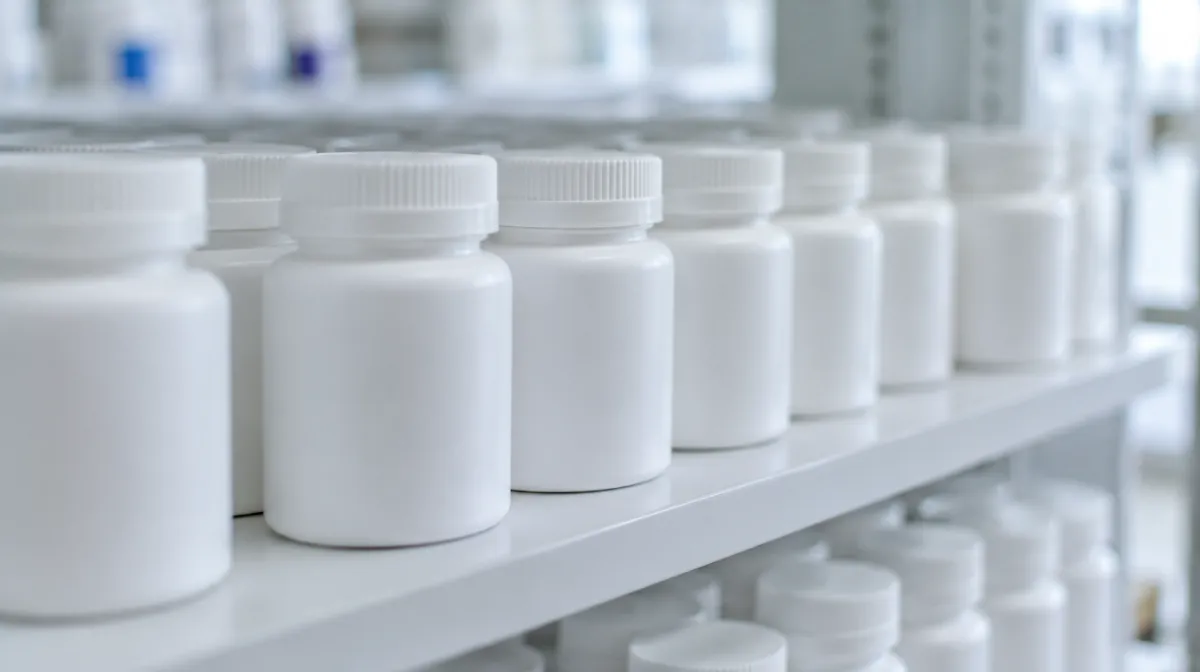
In the autumn of 1982, a series of sudden deaths in the Chicago suburbs terrified the nation. Someone had put potassium cyanide into capsules of Extra-Strength Tylenol, the best-selling painkiller in America, and returned the bottles to store shelves. Seven people died. The crime has never been solved, but it permanently changed how medicines are packaged.
Over a few days starting on September 29, 1982, seven people in and around Chicago died after taking Tylenol capsules. The first victim was a 12-year-old girl. Three members of one family died after taking capsules from the same bottle. Investigators quickly linked the deaths to Tylenol and found the capsules had been tampered with after they left the factory, from bottles bought at several different stores.
Police drove through neighborhoods with loudspeakers warning people not to take Tylenol, and the story led news bulletins across the country.
| Action | Why it mattered |
|---|---|
| Nationwide recall of about 31 million bottles | Put public safety ahead of cost, despite evidence the tampering was local |
| Warnings to hospitals, doctors and the public | Stopped more people from taking contaminated capsules |
| Halted advertising | Avoided encouraging use during the crisis |
| Offered to exchange capsules for tablets | Helped rebuild trust |
| Relaunched with triple-sealed packaging | Set a new standard for over-the-counter medicines |
Tylenol’s parent company, Johnson & Johnson, acted quickly and openly, and its handling of the crisis is still taught as a model of corporate crisis management. Tylenol’s market share collapsed at first but recovered within months after the relaunch in tamper-resistant packaging.
Investigators pursued many suspects. A man named James Lewis sent Johnson & Johnson a letter demanding $1 million to “stop the killing.” He was convicted of extortion and served time in prison, but he always denied the murders and was never charged with them. He died in 2023. Other suspects were investigated over the years, and the case has been reopened several times, but no one has been charged with the killings.
Copycat tampering cases in the following years reinforced the changes.
The Tylenol murders showed how vulnerable everyday products could be, and how much a company’s response matters. Johnson & Johnson’s transparency contrasts sharply with corporate scandals built on concealment, such as the Theranos collapse. For a very different kind of corporate crisis, where the company’s own decision backfired, see New Coke.
No. Despite decades of investigation, no one has been charged with the murders.
Although the tampering appeared to be limited to the Chicago area, the company chose to protect the public and restore confidence, at a cost of around $100 million.
Yes. The murders directly led to tamper-resistant and tamper-evident packaging rules for over-the-counter medicines in the US.

Every article is edited by a human and checked against our editorial policy. Spotted a mistake? Tell us.
How Enron went from Fortune’s most innovative company to bankruptcy in 2001: the accounting tricks, the hidden debt, the collapse and the trials that followed.
How eight Chicago White Sox players conspired with gamblers to lose the 1919 World Series, why they were acquitted and still banned from baseball for life.
A timeline of the Watergate scandal, from the 1972 break-in to the White House tapes, the Saturday Night Massacre and President Nixon’s resignation in 1974.